Advanced Prompt Engineering Personas: Master the PB&J Framework
Advanced Prompt Engineering Personas: Master the PB&J Framework
TLDR: Most AI prompts fail because they lack structure. The PB&J Framework and 4-pillar architecture (Identity, Objective, Context, Constraints) transform vague requests into powerful, repeatable system prompts that produce consistent, expert-level output every time.
You have probably tried dozens of AI prompts that produced mediocre results. You typed a reasonable request, got a generic response, tweaked the wording, got a slightly different generic response, and eventually gave up or settled for something barely adequate. The problem is not the AI model. The problem is prompt architecture.
Advanced prompt engineering is not about finding magic words. It is about building structured frameworks that consistently produce expert-level output. The difference between an amateur prompt and a professional one is the same difference between asking a stranger for directions and briefing a seasoned consultant on an engagement.
The 4-Pillar Architecture
Every effective system prompt rests on four pillars: Identity, Objective, Context, and Constraints. Miss any one of these, and your output quality drops dramatically.
Identity defines who the AI is pretending to be. Not just a job title, but a fully realized professional persona with specific expertise, communication style, and decision-making frameworks. When you tell Claude it is a senior program manager with fifteen years of experience in regulated industries, it activates a fundamentally different response pattern than a generic assistant.
Objective states exactly what you need accomplished. Vague objectives produce vague results. Instead of asking for help with a project plan, specify that you need a phased implementation plan with dependency mapping, resource allocation for a twelve-person team, and milestone definitions aligned to quarterly business reviews.
Context provides the situational details that make output relevant. This includes your industry, organizational culture, project stage, and any constraints your audience cares about. Context is where most prompts fail because people assume the AI can infer what they leave unsaid.
Constraints set the boundaries. Word count, format requirements, tone, vocabulary to avoid, assumptions to challenge, and output structure all belong here. Constraints are not limitations on creativity. They are guardrails that channel the AI's capability toward your specific needs. Building a library of prompts with these pillars is what separates casual AI users from power users.
The PB&J Framework Explained
PB&J stands for Persona, Briefing, and Job. It is a simplified mental model for constructing prompts quickly without sacrificing quality.
The Persona layer establishes expertise and voice. You are not just assigning a role. You are defining how this persona thinks, what frameworks they default to, and what biases they carry. A risk-averse financial analyst persona produces fundamentally different project assessments than an innovation-focused product strategist persona.
The Briefing layer delivers all relevant information in a structured format. Think of it as the packet you would hand a consultant on day one. It includes background, current state, desired outcomes, key players, and any previous attempts at solving the problem. The more thorough your briefing, the less you need to correct and redirect later.
The Job layer specifies the exact deliverable, including format, length, audience, and success criteria. This is where you prevent the AI from going off track, a common frustration covered in recovering derailed AI conversations.
Data-Driven Personas for Project Management
Generic personas produce generic work. Data-driven personas produce work that sounds like it came from your organization. The difference lies in feeding your persona real artifacts.
Upload examples of how your organization writes status reports. Include samples of approved executive communications. Share templates that passed stakeholder review. When Claude absorbs these artifacts alongside a persona definition, it begins producing output that matches your organizational voice rather than a generic corporate tone.
For project management specifically, create personas for each recurring task. Your risk assessment persona should reference your organization's risk matrix and scoring methodology. Your stakeholder communication persona should know your reporting cadence, preferred dashboard format, and the specific metrics your sponsor tracks.
OpenAI vs Claude System Prompts
The two leading AI platforms handle system prompts differently, and understanding these differences matters for advanced practitioners. OpenAI's system prompt sits in a separate message role that the model treats as authoritative instructions. Claude uses a similar mechanism but tends to follow nuanced persona instructions with greater fidelity, particularly around tone and communication style.
In practice, this means your Claude system prompts can be more detailed about behavioral expectations. You can specify that your persona should ask clarifying questions before proceeding, push back on unrealistic timelines, or flag assumptions that need validation. Claude reliably maintains these behavioral patterns throughout extended conversations.
The key for both platforms is iteration. Write your system prompt, test it with realistic scenarios, identify where the output deviates from your expectations, and refine. This iterative process is how you build a personal prompt library that improves over time.
Putting It All Together
Start with one high-value use case. Perhaps it is the weekly status report you spend ninety minutes writing every Friday. Build a PB&J prompt with a persona that understands your project portfolio, a briefing section you update weekly with fresh metrics, and a job specification that matches your organization's reporting template.
Run it once. Compare the output to your manually written reports. Note the gaps. Refine the persona, add missing context to the briefing, and tighten the job specification. By the third iteration, you will have a prompt that produces a first draft requiring only minor edits.
Then replicate this process for your next most time-consuming deliverable. Within a month, you will have a suite of precision-engineered prompts that collectively save hours every week while producing consistently higher quality output than manual work alone.
Frequently Asked Questions
How long should a system prompt be for optimal results?
Effective system prompts typically range from 200 to 800 words. Shorter prompts lack the specificity needed for consistent output, while prompts exceeding 1,000 words can cause the model to lose focus on key instructions. The sweet spot is enough detail to eliminate ambiguity without overwhelming the model. Focus on the four pillars and trim anything that does not directly influence output quality.
Can I use the same PB&J prompt across different AI models?
The framework transfers across models, but you will need to adjust the execution. Claude tends to follow behavioral instructions more faithfully, while GPT models may need more explicit structural formatting. Test your prompt on each target platform and create platform-specific versions where the output differs meaningfully. The Persona and Briefing layers transfer cleanly, while the Job layer often needs platform-specific tuning.
How do I know if my prompt engineering is actually improving?
Track three metrics: first-draft acceptance rate, number of revision cycles needed, and time from prompt to final deliverable. When you start, you might accept only thirty percent of first drafts. After refining your prompts through the PB&J framework, that rate should climb above seventy percent. If it plateaus, your briefing layer likely needs richer context or your constraints need tightening.
Visit Subthesis for more project management resources and courses.
Want the Complete System?
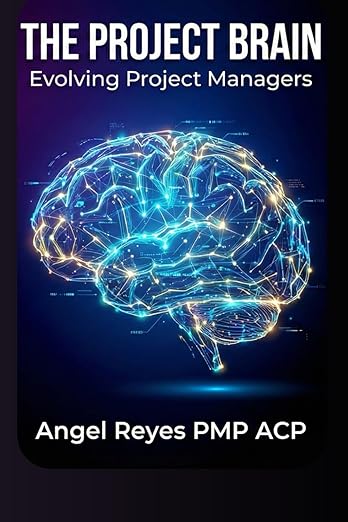
This article is just a taste. The Project Brain gives you the full blueprint — persistent context, automated reporting, and a local AI-powered PMO.
Get The Project Brain