Building Your Personal PMO With LocalPM and The Project Brain
Building Your Personal PMO With LocalPM and The Project Brain
TLDR: Combining LocalPM's execution capabilities with The Project Brain's strategic frameworks creates a personal PMO that transforms how you manage projects, careers, and goals.
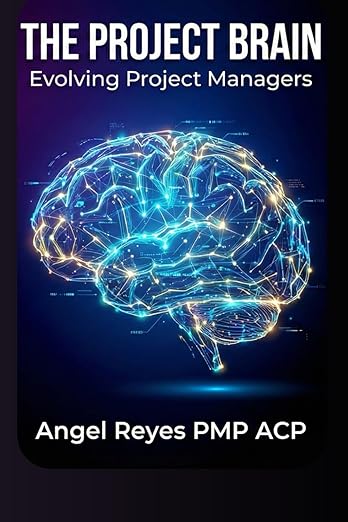
A Project Management Office is usually an organizational function: a department that standardizes processes, maintains templates, and oversees a portfolio of projects. But you do not need a department to benefit from PMO thinking. With LocalPM as your execution engine and The Project Brain as your strategic guide, you can build a personal PMO that brings professional-grade project management to everything you do.
What a Personal PMO Looks Like
A personal PMO is a system for managing all of your projects, professional and personal, with consistent processes, clear visibility, and continuous improvement. It is not about bureaucracy. It is about having a structured approach to turning goals into outcomes.
Your personal PMO has three components.
A portfolio view. All of your active projects visible in one place, so you can assess capacity, priorities, and progress across everything you are managing. In LocalPM, this means creating separate projects for each major initiative and reviewing them together during a weekly planning session.
Standard processes. Consistent ways of writing stories, planning sprints, running retrospectives, and tracking progress. The Project Brain provides these frameworks, explaining not just what to do but why each practice matters and how to adapt it to different contexts.
A learning system. Regular reflection on what is working and what is not, capturing lessons learned and applying them to future projects. Retrospectives at the project level feed into portfolio-level insights about your strengths, weaknesses, and patterns.
Setting Up Your Portfolio in LocalPM
Start by listing every project you are currently managing or contributing to. Include professional projects like product development or client engagements, and personal projects like a home renovation, a certification study plan, or a side business.
Create each project in LocalPM with a clear name, description, and timeline. Even projects that feel informal benefit from this structure. A home renovation with defined stories, a timeline, and a sprint cadence is dramatically more likely to finish on time and on budget than one managed through a mental to-do list.
Color-code your epics consistently across projects. Use blue for core work, green for communication and marketing, orange for administrative tasks, and red for urgent items. This consistency means you can scan any project board and immediately understand the workstream distribution.
Applying The Project Brain Frameworks
The Project Brain provides the strategic layer that turns LocalPM from a task tracker into a management system. Here is how specific frameworks from the book map to your personal PMO.
The Evolving Manager mindset. The book emphasizes that project management is a skill that develops through practice and reflection, not just certification. Your personal PMO is your practice ground. Every sprint you plan, every retrospective you run, and every backlog you groom builds your capability as a project manager.
Stakeholder management. Even personal projects have stakeholders. Your spouse is a stakeholder in the home renovation. Your manager is a stakeholder in your career development project. The Project Brain's stakeholder frameworks help you identify who needs to be informed, consulted, or involved in each project.
Risk management. The book's approach to risk identification and mitigation applies at the portfolio level. What are the risks across all your projects? Where are the dependencies between them? What happens to your side business project if your day job project enters a crunch period? A personal PMO makes these cross-project risks visible.
The Weekly Portfolio Review
The most important habit in a personal PMO is the weekly portfolio review. Set aside thirty minutes every Sunday evening or Monday morning to review all of your active projects.
For each project, answer four questions:
- Status: Is this project on track, at risk, or off track?
- Progress: What was accomplished in the past week?
- Next steps: What are the most important items for the coming week?
- Blockers: Is anything preventing progress?
In LocalPM, this review involves opening each project, scanning the board, and noting the answers. The entire review takes less than thirty minutes because LocalPM's board view gives you immediate visual status.
After reviewing individual projects, assess the portfolio as a whole. Are you overcommitted? Is one project consuming all your energy while others stagnate? Do you need to pause a project to make room for a higher-priority one? These are portfolio management decisions, and they happen naturally when you have visibility across all your work.
Continuous Improvement at the PMO Level
Beyond individual project retrospectives, run a quarterly personal PMO retrospective. Look at the past three months and ask: Which projects progressed well and why? Which stalled and why? What patterns do I see in my project management approach? What skill should I develop next?
The Project Brain provides frameworks for this kind of strategic self-assessment. It encourages you to view your project management practice as an evolving capability, one that improves through deliberate reflection and targeted skill development.
Keep a running log of your PMO retrospective insights. Over a year, you will build a personalized knowledge base of what works for you, what your common failure modes are, and which practices from The Project Brain have had the most impact on your effectiveness.
Starting Today
You do not need permission, budget, or a formal mandate to build a personal PMO. Open LocalPM. Create your first project. Pick up The Project Brain and read the first chapter. Apply what you learn to your board. Reflect on the results. Repeat.
The combination of a practical execution tool and a strategic guidebook gives you everything you need to manage projects at a professional level, regardless of your title, organization, or experience. To see how AI can accelerate your PMO's planning phase, read about combining AI project planning with LocalPM execution. And for a step-by-step walkthrough of setting up your first project, see the complete LocalPM setup guide. Your personal PMO starts now.
Learn More
Ready to build your own personal PMO and level up your project management? Check out the complete training series:
Watch the Project Management AI Playlist on YouTube
For more project management insights and resources, visit subthesis.com